Condition 1 Combat Center Muay Thai Gym: Shadowboxing Routines
@gregorygyna383
October 8, 2026 · 17 min read
A good round of shadowboxing tells you more about a fighter than ten rounds on the bag. The bag hides balance issues, rewards brute force, and never hits back. In open space you cannot bluff. Your feet reveal your timing, your hips tell the truth about power, and your breath exposes your conditioning. At the Condition 1 Combat Center muay thai gym, we lean into that honesty. Shadowboxing is a daily skill-building anchor, not a filler between heavy work. When you see one of our athletes glide through a round, you are seeing choices, habits, and hours of rehearsal compressed into three minutes.
I have watched beginners stiffen up under the mirror and professionals sharpen elbow angles without a glove on. The gap between them is not talent. It is focus and structure. The routines below come from that floor, from coaches who choreograph intention into each step and from athletes who carry those habits into pad rounds, sparring, and the ring.
Why shadowboxing matters in Muay Thai, specifically
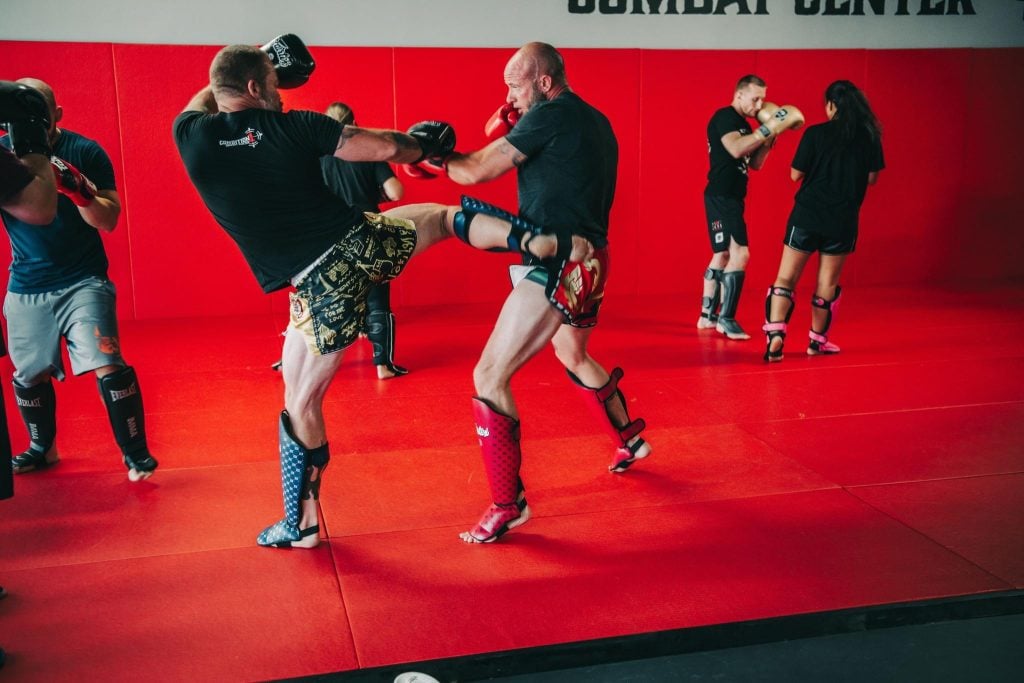
Muay Thai asks for full weapon integration and real ring craft. Your kicks must return on balance, your knees come off a frame, your elbows arrive at the right range. Shadowboxing is where those wires get connected. You can rehearse a teep with a long guard, see the hip fold, and feel whether your foot lands under your hips or drifts wide. You can swing a right kick and catch the recoil on the same line, instead of swinging and drifting into a counter. You can add checks and deflections between strikes so defense lives inside your offense, not as a separate study.
Unlike bag work, shadow rounds let you see the opponent you imagine. We teach athletes at the mma gym Condition 1 Combat Center to run a mental model constantly: height, stance, tendencies. Are you dealing with a southpaw kicker? A clinch-heavy bully? A fast switch kicker? Customize the round around that person. If sparring demands adaptation, shadowboxing is the rehearsal where you script it.
Set the floor right
Mirror or not, your setup should drive intent. At the Condition 1 Combat Center muay thai gym we use two simple tools: a reliable timer and floor marks. Two strips of tape can map the ropes or the cage wall. Another strip can mark centerline. A square of tape can represent a corner. That scaffolding turns a blank mat into a ring you can cut, circle, and exit.
Wear what you will spar in. If you train barefoot, shadow barefoot. If you plan to compete in ankle supports, wear them. A tight shirt helps you see your ribs rotate and your scapular control on elbows. Keep water close, wrap your hands if you like, and silence your phone. You are about to argue with your own habits for 15 to 30 minutes.
The technical spine: stance, guard, eyes, rhythm, breath
Your stance needs to survive contact. Feet hip width or slightly wider, rear heel light, lead foot pointed forward or slightly open based on your school. Knees soft, hips tall, chin tucked behind the lead shoulder. The guard is not a statue. It breathes with your movement. On offense, show a long guard or spear hand when you teep, and shell intelligently when you angle out. Elbows live where they can move, not glued to ribs.
Eyes look through the imaginary opponent, not at the floor. If you drop your gaze after every kick, you would be a knockdown waiting to happen. Rhythm decides whether your strikes land clean or get jammed. Avoid constant bounce. Float, settle, float. Inhale through the nose when possible, exhale with short, sharp hisses on strikes. On longer combinations, layer breaths so you never hold air. Think of breath as a metronome for your combinations.
Round architecture that builds fights, not just sweat
We encourage athletes to separate training goals by round, not by day. If you have six rounds, each one should have a primary theme. One round can build distance work with the teep, the next layers in counters, the third adds switch kicks and southpaw looks, then clinch shadow work. Finish with a cool down where you rehearse core defensive habits at low intensity.
Warm up through motion. The first round is always a diagnostic. Flow lightly, touch each tool once: jab, cross, hook, teep, round kick, knee, elbow, check, slip, parry, frame, exit. Fix acute issues immediately. If your jab feels jammed, lengthen your stance slightly. If your right kick pulls you off center, focus on a cleaner pivot and active pullback.
The first build: make the teep your thermostat
In Muay Thai, the teep controls time. Start with a round where every combination begins or ends with a teep. Left teep to the belly, step down outside their lead, pivot, and post a right hand. Or fake the left teep, land the foot in southpaw, and kick the open side. Add a skip step to teep when you need range and a rear teep for line-breaking when the opponent presses. Visualize the ribs folding when your foot lands and imagine their counter. Do you expect a cross after your teep? Angle left as your foot returns and cover with a long guard.
Track the retraction. Most missed checks in sparring start with lazy teep returns. Land balanced, leg comes back fast along its own path, heel plants under you, not behind you.
Kicks that return on a string
Round kicks make highlights, but it is the return that keeps you safe. Dedicate a round to kick mechanics. Start with single kicks at mid height, both sides, with a full hip turn. Picture the shin landing at a 45 degree line across the opponent. Pivot strongly on the ball of the support foot, keep your posture tall, and pull the kick back along the same arc. Do not drop your kicking foot straight down in front unless you are purposefully switching stance to set a trap. If you do land forward, snap a frame with the new lead hand and be ready to check.
Add kick-catch counters into your visualization. Throw a right kick, imagine they catch it. Immediately hop to close range, post on their head, and pull the leg free with a downward motion, then fire a right elbow as you exit to your right. Shadow these reactions slowly, then at speed. The bag will not catch your kick, but your partner will. Shadow prepares you for that moment.
Elbows and knees require honest range
Most people throw elbows to air at too far a combat center distance. Walk yourself into range before throwing. Glide in with a check hook, step across the line, and land a horizontal elbow, then pivot out. Or frame with the left forearm on the opponent’s chest, bump, and send a diagonal elbow up. Knees demand the same care. Build a round where every entry uses a frame, head position, or a hand trap. Long knee off the rear side, step down past their lead foot, and clinch with a collar tie and bicep control. Drill the exit too. After a knee, foot lands forward, post your palm on their face or shoulder, and angle off before they can counter with hands.

On the floor at the Condition 1 Combat Center muay thai gym, we often string three-beat elbow series: hand trap to inside horizontal elbow, step through to spear elbow, short pivot to spinning horizontal. The spin is not for flash, it is a footwork drill. Keep the head safe, chin tucked, eyes over the lead shoulder, and finish balanced.
Defense layered into offense
Shadow rounds are where you rewire your default. Try a series where every second strike is defensive: jab, check, cross, parry, hook to body, slip, right kick, long guard, step off, teep. This puts your hands and feet in conversation. Close the round with a 30 second defensive flurry. Feet light, eyes high, forearms catching kicks, small steps to shelves, and head movement inside tight frames rather than exaggerated weaves. Muay Thai defense is compact. You want to look hard to hit without wasting energy.
Southpaw problems, orthodox solutions
Even if you fight orthodox, spend one round per session in southpaw. Start with the lead foot outside battle. Pivot left as you jab, or throw the rear teep as a rangefinder. Cross or straight left splits the guard, then right hook to head or body, then left kick to the open liver side. Visualize the opponent circling away and trap them with a teep or step-in knee. Reverse those lines when you go back to orthodox facing a southpaw. That foot outside line battle should feel automatic after a month of this focus.
Cage and rope awareness
Our MMA athletes who split time between the Condition 1 Combat Center mma training program and Muay Thai rounds need both ring and cage maps. Use those tape strips. Shadow your pressure: cut the ring with two steps and a feint, not a chase. Against the cage, picture your opponent’s back skimming the fence. Throw a low kick as they plant, then square them with a long guard and teep. For defense, imagine your butt near the fence. Pivot off, level change for a fake, then frame and kick as you exit. This is where the mma gym Condition 1 Combat Center model blends footwork for both sports without confusing the athlete on fight week.
Cross-training insights for MMA and BJJ athletes
Shadowboxing helps your takedown defense and clinch awareness if you include level changes and pummeling motions. Add sprawls carefully in open space. After a jab cross, drop your level two inches, eyes forward, hands ready to post. That micro level change sells a shot feint without breaking your stance. In clinch shadow rounds, practice inside bicep ties and collar ties with foot pummeling. Step outside their foot as you pull their head, then bump the shoulder and knee. For Brazilian jiu jitsu training athletes at our bjj gym Condition 1 Combat Center, shadow rounds can also include hand fighting to grips, foot sweeps off an underhook step, and balance checks that prevent easy trips. The idea is not to turn Muay Thai into wrestling, it is to have your stand-up map include the threats you will face in MMA or during self defense classes.

Conditioning without losing form
Three minute rounds with 30 seconds rest are standard, but play with gears. Try 90 seconds at 60 percent output, 30 seconds at 80 percent with clean power, then 60 seconds back at 60 percent. Keep form as your non-negotiable. If your shoulders rise and your head tilts on every punch when tired, back the speed down. Movie speed is not fight speed. Fight speed has micro pauses inside combinations, subtle rhythm changes, and room for reaction. Breathe on every strike, even during the faster blocks. Your exhale is a built-in brace for the core and spine.
Common mistakes to correct early
- Drifting after kicks instead of recoiling on balance, which opens the centerline for counters
- Throwing elbows from too far away, resulting in overreach and exposed ribs
- Static guard that stays glued high or low rather than flowing with offense and defense
- Bouncing rhythm that never settles, which kills power transfer and burns energy
- Looking at the floor or the mirror instead of through the opponent, breaking intent
Real feedback beats guesswork
Mirrors can lie if you pose for them. Use them for alignment, then turn away and depend on feel. Film one or two rounds a week. You will spot tells you never felt: heel that never lifts on the rear side, jab that pulls back low, kick that crosses the body on the return. Chalk or tape can give you contact points on the floor. Mark where your lead foot should land on an angle out, or where your rear foot should pivot on a right kick. Ask a coach to give one single cue for the next round, not five. Fix one thing well, then add another.
We also use a partner-shadow format in class. Two athletes face each other, light and silent at first. One leads with footwork patterns and feints, the other mirrors as a defender, then they switch. This keeps you honest about distance and exits without contact.
A clean 30 minute shadowboxing session
Minute 0 to 3: Diagnostic flow. Touch every weapon once, slow to moderate pace. Note one thing to fix.
Minute 3 to 6: Footwork and ring control. Step and jab to center, cut angles, exit to both sides, two to three strikes per angle.
Minute 6 to 9: Teep control. Every entry or exit through a teep. Mix lead, rear, and skip teeps.
Minute 9 to 12: Kick mechanics. Single kicks, both sides, with strict recoil. Add one or two checks between kicks.
Minute 12 to 15: Defense inside offense. Jab check cross parry sequences, slip to counter, long guard exits.
Minute 15 to 18: Elbows and knees in realistic range. Walk into range, frame, elbow-knee-elbow combinations, exit on a pivot.
Minute 18 to 21: Southpaw switch. Spend the full round in southpaw if you are orthodox. Focus on outside foot and open-side kick.
Minute 21 to 24: Pressure vs ropes or cage. Cut the ring with feints, trap with kicks, then release to space. If you fight MMA, add level change feints.
Minute 24 to 27: Speed round at 70 to 80 percent. Short combinations with clean posture, no power chasing.
Minute 27 to 30: Cool down technique. Slow, tidy, one weapon per breath. End on the teep and a bow.
Advanced round themes when you need more edge
Small target rounds, where you only strike to the body and legs for three minutes. This changes your angle choices and forces height control. Southpaw-only days are also valuable, especially for kickers who depend on open-side shots. Another favorite is the no-hands round: all teeps, kicks, knees, and defensive frames. It improves hip endurance and composure. For boxing-specific skill, we run pure hands with Muay Thai footwork and defensive frames. That helps athletes who cross-train at the Condition 1 Combat Center boxing gym or book time in the boxing gym condition1combat.com community to keep the Thai posture while sharpening hand speed.
Avoid adding resistance bands or weights to shadow rounds unless supervised. Those tools can warp mechanics quickly. If you want load, use a light slip rope or a towel in each hand for elbow path awareness. Keep your joints happy.
A simple weekly plan that fits real training
- Monday: Technical shadow before pads, aim for 5 rounds focused on teep and kick return
- Tuesday: Defense layering and southpaw round, 4 to 6 rounds before sparring
- Wednesday: Clinch shadow and knees, 5 rounds threaded into strength work
- Thursday: Ring cutting and pressure, 4 to 6 rounds with cage awareness for MMA athletes
- Friday: Speed and sharpness, 6 lighter rounds emphasizing rhythm changes and exits
On weekends, match your needs. If you attended brazilian jiu jitsu training Condition 1 Combat Center classes on Saturday, keep Sunday’s shadow light and elastic. If you boxed hard on Friday, spend Saturday’s shadow on kicks, checks, and teeps to let the shoulders come down while legs do the work.
Progression paths for different athletes
Beginners often freeze in space, unsure what to throw. Start with two weapons for the first week: jab and teep. Build confidence in distance and stance. Add a rear kick and a cross in week two, then layer defensive checks and slips in week three. Keep your combinations short, two to three strikes with exits.
Intermediates should anchor each week to a theme. One week, master kick returns and teep entries. The next, paint the round with elbows and short angles. Track your sessions in a notebook with one metric, like how many times your rear heel lifted correctly on right kicks.
Experienced fighters benefit from opponent modeling. If you have a tall southpaw lined up, every second round that week should be built around that puzzle. Visualize their habits and rehearse your answers until they feel boring. In camp, cap your shadow rounds earlier in the week at six to eight, then taper to three to four the day before sparring or a hard pad day.
Warm down like a professional
A minute of slow shadow with deep nasal breathing calms the system. Drop into hip mobility that matches the weapons you trained. If you kicked hard, spend time on adductors and hip rotators. If you elbowed and framed a lot, pay attention to your thoracic spine. Calf raises and ankle circles keep your pivot honest. Shin conditioning does not happen in shadow, and it should not be forced by smashing hard objects at home. Let the bag and pads handle impact. Shadow is for alignment, speed, and timing.
Staying healthy while getting sharp
Shadowboxing is gentle on joints, but repetitive errors can irritate knees and low backs. If your front knee collapses in on every check, address it now. Keep the knee over the toes, not inside the big toe line. If your low back aches after kicks, your ribs are probably flaring and your pelvis tilting forward. Stack your ribs over hips and kick from the hip, not the spine. If you feel a pinch in the hip on teeps, shorten the lift and focus on hip extension at the end rather than knee height.
How we bake shadowboxing into classes at Condition 1 Combat Center
We do not treat shadow as a warm-up throwaway. In Muay Thai classes, the first round of shadow sets the day’s cue. If the focus is on long guard structure, that cue appears in the shadow, the pads, and the bag rounds. In our combined mma training Condition 1 Combat Center sessions, strikers and wrestlers share floor space and concepts. A level change feint in shadow shows up again on the wall during cage wrestling. Boxing-focused classes at the Condition 1 Combat Center boxing gym push rhythm and head movement, but we keep Thai frames and exits so athletes can translate across. Brazilian jiu jitsu training at the facility also benefits, because stand-up entries and posture control begin upright before the fight hits the mat.
The facility is laid out so you can carve a lane for your work. We have mirrors without turning the place into a posing studio, open mat space for footwork, and coaches who actually watch your rounds. You will hear direct cues. Chin lower. Return the kick. Breathe on the elbow. The phrase you hear most is simple: show me the opponent. If your round lacks a clear opponent, you are just exercising. Our job is to keep you fighting, even when you are alone on the mat.
Bringing it home
If you cannot make it to the gym, a three meter by three meter square at home is enough. Use a phone timer, put a piece of tape on the floor for centerline, and give yourself five honest rounds. Record the first and third for review. Do not turn on music so loud that it drowns your breath. When you return to the Condition 1 Combat Center muay thai gym, you will feel the difference. Your first pad round will start closer to sharp. Your defense will live closer to your offense. Coaches notice. So do training partners.
Many people search for condition1combat.com muay thai gym routines or mma training condition1combat.com drills hoping for a secret combination. The routine is not a secret. It is the discipline to run purposeful rounds, correct small errors, and keep the invisible parts sharp. Whether you are in the mma gym condition1combat.com community, using the bjj gym condition1combat.com space for cross-training, or dropping into self defense classes Condition 1 Combat Center runs for beginners, shadowboxing will pay off. It polishes timing, preserves joints, and builds ring craft quietly. Over a season, those quiet rounds turn into loud results.